
Most Seedance 2.0 takes fail for a reason you can fix before spending a single credit: picking the wrong task type, then prompting blind. Before composing anything, it pays to know what the model is and which generation mode actually fits your shot.
Seedance 2.0 orientation: T2V vs I2V vs R2V, and when each saves re-rolls
Seedance 2.0 is ByteDance's natively multimodal audio-video model that takes text, reference images, audio, and video and returns HD video with synchronized audio in one pass — covering text-to-video (T2V), image-to-video (I2V), audio-conditioned, and reference-to-video (R2V) workflows . ByteDance shipped model ID doubao-seedance-2-0-260128 globally on fal.ai on April 9, 2026, the first practical access point for most Western builders . Takes run 4–15 seconds at native 480p/720p, support aspect ratios from 21:9 through 9:16, and expose Fast and Standard modes .
Quick Answer: Pick the task type before you write a prompt. Use T2V for concept exploration, I2V when a specific character or product look already exists, R2V for motion/voice/style continuation, and editing mode when only one element should change. Wrong-mode prompting is the most common cause of wasted Seedance 2.0 credits .
That mode choice is the cheapest lever you have. T2V suits open exploration; I2V holds an existing identity by letting the source image carry it; R2V continues motion, voice, or style; editing changes one element instead of re-rolling a whole clip .
On quality, ByteDance's own figures look strong but are vendor-reported. Arena.AI results (accessed April 8, 2026) placed Dreamina Seedance 2.0 720p first on both leaderboards — T2V Elo 1450 ±15 and I2V Elo 1449 ±11 . SeedVideoBench 2.0 T2V scored 3.75 motion quality, 3.43 prompt following, and 3.75 audio-visual sync (1–5 scale) . These come from a ByteDance-authored paper without independent replication, so treat them as a claim and verify against your own outputs. Documented strengths — complex human motion, multi-subject interaction, sports and dance, layered stereo audio — are where credits go furthest .
fal.ai signup, spending math, and take duration
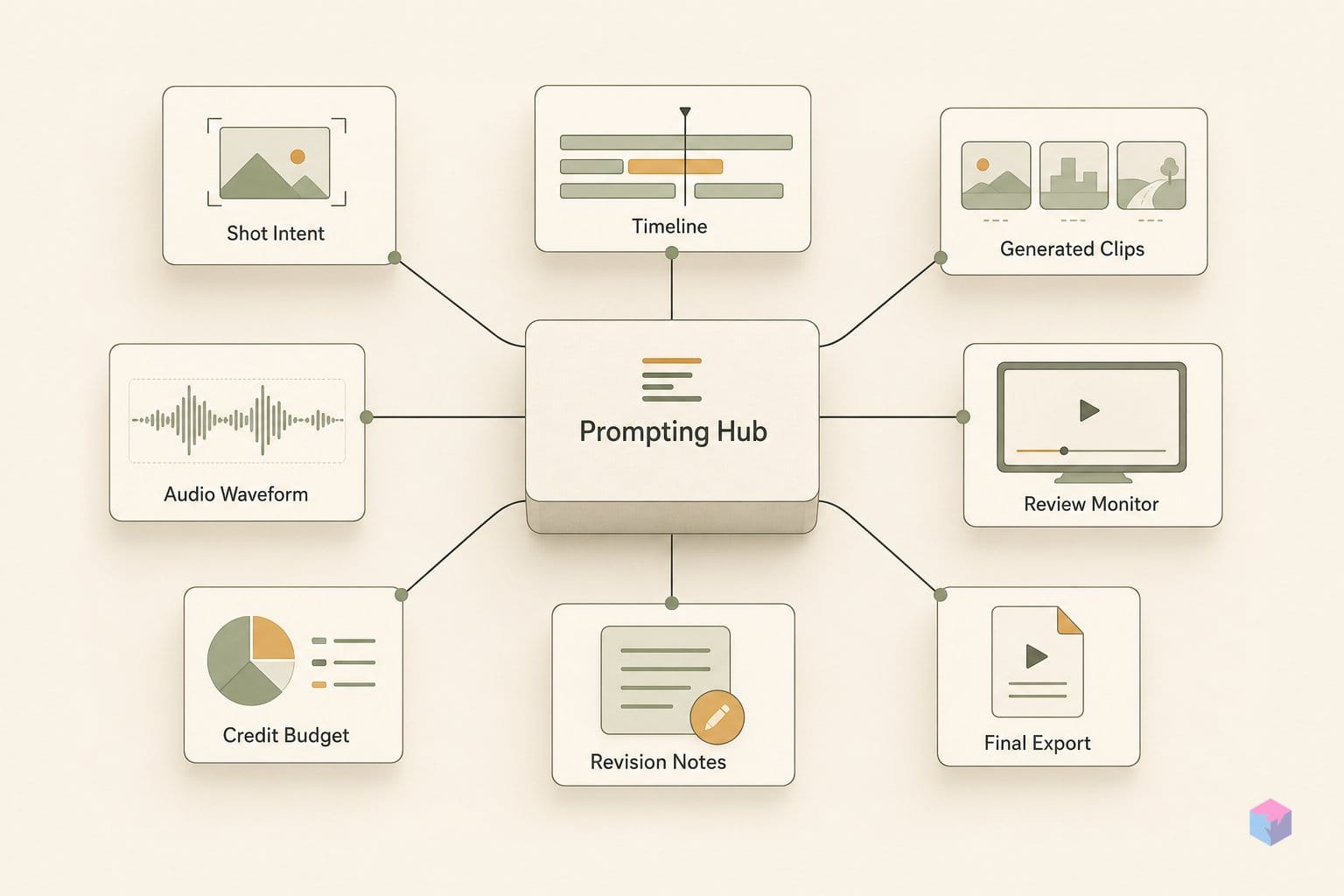
Hands-on access for Western builders runs through fal.ai, which requires an account and bills Seedance 2.0 per submitted take — a completed but off-target clip is generally not refunded, so description quality, not luck, is the only cost lever . Decide a few things before you spend a generation:
- Aspect ratio first. Pick 9:16 for Reels/TikTok, 16:9 for widescreen, or 1:1 for square at the outset; Seedance 2.0 supports 21:9, 16:9, 4:3, 1:1, 3:4 and 9:16, but changing format after the first take burns attempts .
- Match duration to intent. Direct generation runs 4–15 seconds . Use 4s to validate a motion concept, 8–12s for a narrative beat with camera movement, and 15s for multi-beat sequences — per-take spend scales with length.
- Assemble references before generating. The platform accepts up to 3 video clips, 9 images, and 3 audio clips per call ; building a reference pack once is cheaper than re-rolling text-only variations.
Composing a Seedance 2.0 take: shot, subject, action, camera, and exclusions
With references staged, the prompt itself is the next credit lever. Treat a Seedance 2.0 take as a production brief, not a one-line aesthetic wish. Practitioner guides converge on a sweet spot of roughly 50–70 words : under about 25 words and the subject drifts; over about 200 and the model fragments the output across competing instructions . One clear motion beats three stacked ones. Note this length range is well-corroborated community consensus, not a ByteDance-confirmed spec.
Specificity matters because the model is graded on independent axes. ByteDance's technical report evaluates prompt following, motion quality, image/reference preservation, audio quality, audio-visual sync, and audio prompt following as separate dimensions . Under-specify any one and you hand it to chance, inflating re-roll count. A compact six-part anatomy covers all of them:
| # | Slot | Example |
|---|---|---|
| 1 | Framing / shot size | medium close-up, eye level |
| 2 | Subject + environment | ceramic mug on a concrete counter, morning |
| 3 | One main action | steam rises and curls |
| 4 | One named camera move | slow push-in (or orbit / dolly / handheld drift / tracking) |
| 5 | Lighting + texture + style anchor | soft studio light, realistic reflections, Apple keynote style |
| 6 | Hard exclusions | no extra characters, no text overlays, no logos, no camera shake |
The camera move is the most under-used slot. Naming one concrete move — push-in, orbit, dolly, handheld drift, tracking shot — in the first ten words is what converts a static render into a cinematic take . The bare adjective "cinematic" does not; replace it with concrete descriptors and a named style anchor like "Wes Anderson symmetry."
"Stop writing prompts and start describing shots — frame, subject, one move," argues the walkthrough at AI Video School (video: AI Video School).
For image-to-video, invert the emphasis: describe the motion and let the source image carry identity. Re-describing the character in text competes with the reference and triggers drift . When you need the same character across multiple takes, feed a storyboard or reference pack rather than rewriting the description each time.
Mistakes that guarantee wasted re-rolls: stacked moves, unstable shapes, and IP traps
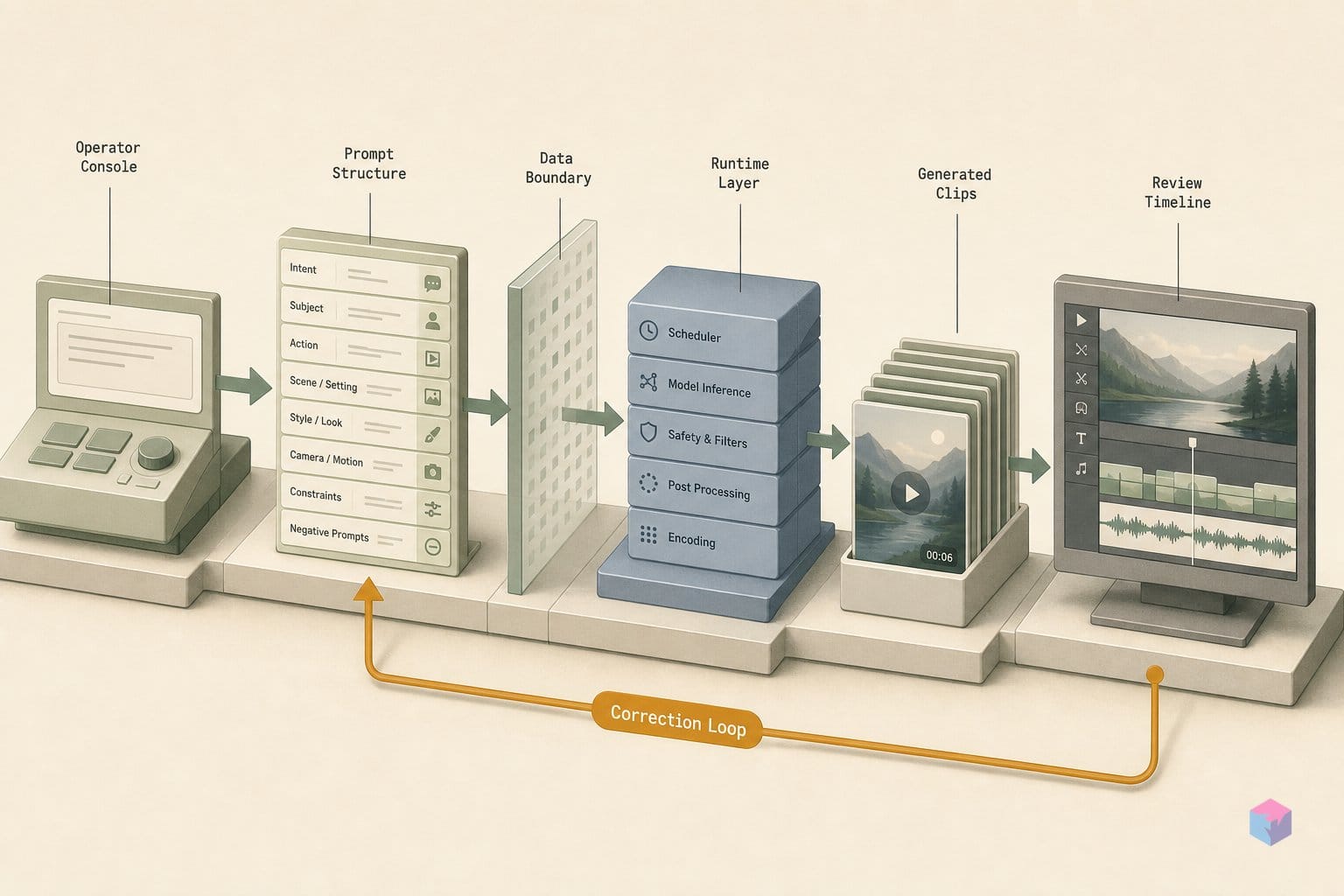
Most wasted Seedance 2.0 generations trace back to five repeatable mistakes, and a completed-but-wrong clip is still charged . Knowing the failure modes in advance is the cheapest re-roll insurance available.
- Stacking camera moves. Asking for "push in and pan left" collapses into an unstable blend. Pick exactly one move per take — a single push-in, orbit, dolly, or handheld drift reads as cinematic; two compete and produce drift .
- Forcing stable-shape transformations. Product shots and logo reveals demand the object hold its geometry, but dramatic transformation prompts trigger deformation artifacts. For a contained change, use editing mode instead of a full regeneration — do not re-roll the whole clip for one flaw .
- Naming real actors, studios, or franchises. After a Motion Picture Association cease-and-desist in February 2026, ByteDance's safety filters can block, substitute, or degrade outputs that reference protected people or IP — and the attempt is still billed. Describe appearance and wardrobe instead of naming the rights-holder .
- Unlabeled multi-speaker dialogue and exact on-screen text. ByteDance's technical report documents lip-sync errors in multi-speaker scenes and text-restoration inaccuracy as known limits. Name your speakers and avoid demanding precise readable text .
- Overloaded 15-second takes. Dense, narrative-heavy descriptions strain multi-subject consistency. Break the story into connected 4–8 second takes sharing one reference pack rather than one overloaded prompt .
Each of these is a documented constraint, not a tuning preference — so designing around them up front, not after the charge lands, is where the credit savings live.
After Seedance 2.0: where 2.5 moves the re-roll math
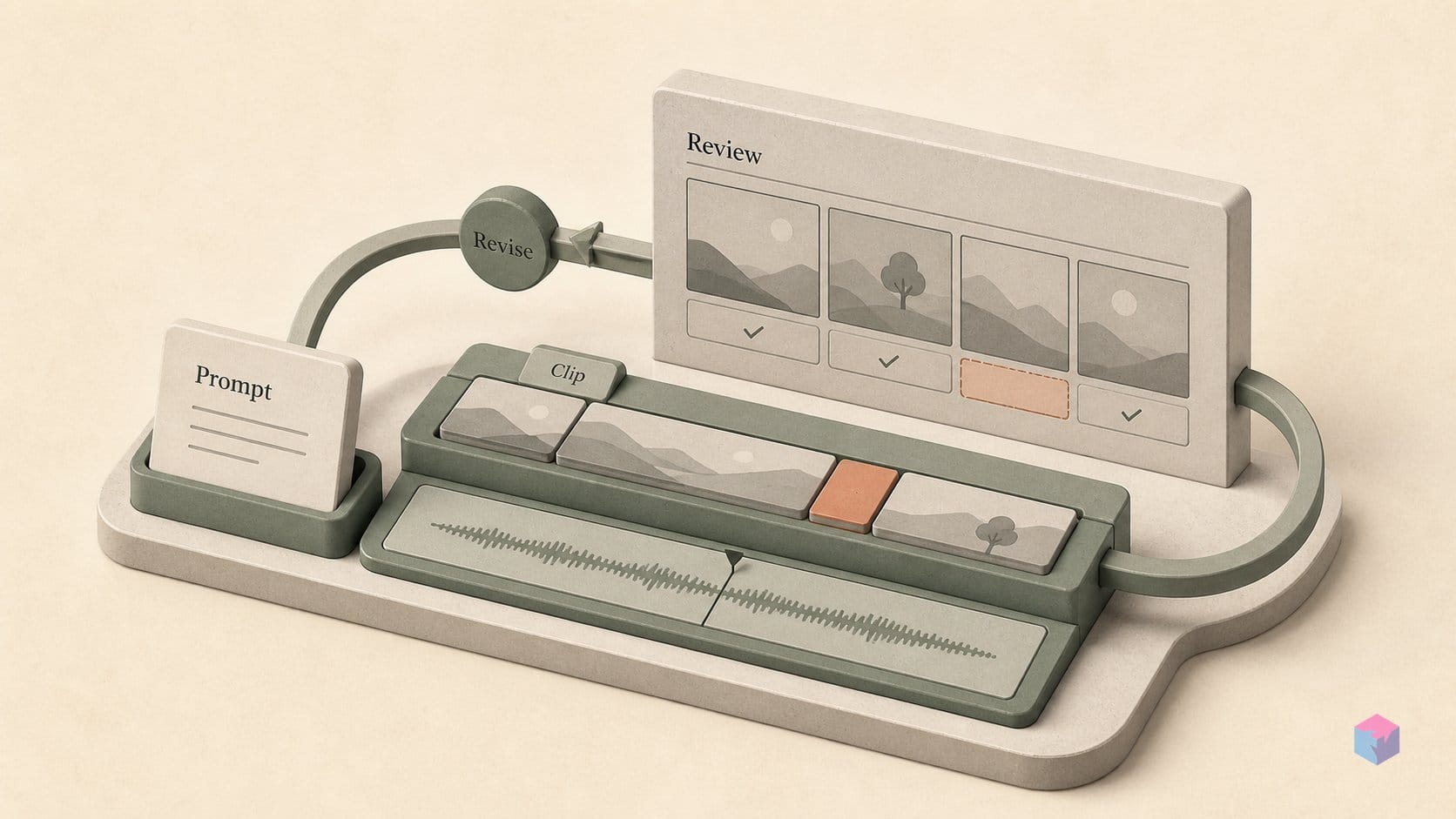
The constraints above are products of the current generation, and ByteDance has signaled the next one will redraw some of them. ByteDance announced Seedance 2.5 on June 23, 2026 at the Volcano Engine FORCE conference, with a public launch targeted for early July 2026; it is currently in global enterprise beta . The headline change is native single-clip generation up to 30 seconds without post-stitching, versus 4–15 seconds in 2.0, alongside a reference budget raised to as many as 50 inputs and a unified joint audio-video latent space that replaces separate passes .
ByteDance also claims a roughly 20% improvement in prompt adherence; if it holds, instruction-heavy takes re-roll less, which is exactly where credit waste accrues today . Treat that figure as vendor-reported: no independent benchmark data was available as of late June 2026.
The takeaway: build the 50–70-word, one-action/one-camera-move discipline on 2.0 now. Those habits transfer directly to 2.5's 30-second canvas and larger reference budget — the canvas grows, but precise briefs stay the cost lever.
Frequently asked questions
What is the Seedance 2.0 model ID on fal.ai?
The model ID is doubao-seedance-2-0-260128, live on fal.ai since April 9, 2026 — the point at which most Western builders gained hands-on access. Inside China, the same model is reachable through Doubao, Jimeng (Dreamina), and Volcano Engine. Use the exact ID string when configuring API calls; mismatched IDs route to older endpoints and fail silently. See the BytePlus ModelArk docs for the platform parameters.
How long should a Seedance 2.0 take description be?
Aim for 50–70 words: that range tests best across community practitioner guides, with one clear motion beat per description. Descriptions over ~200 words tend to fragment the output as the model tries to satisfy conflicting instructions, while under ~25 words causes drift because the model fills gaps on its own. This is well-corroborated community consensus, not an official ByteDance specification — treat it as a starting heuristic and adjust per task. The AtlasCloud guide walks through the six-part structure.
Does Seedance 2.0 generate audio in the same pass?
Yes. Audio is produced in a single generation call alongside video — there is no separate audio step. Specify what you want explicitly: dialogue, ambient sound, music, a particular dialect, or silence. Leaving audio unstated lets the model guess, which wastes credits. In ByteDance's SeedVideoBench 2.0 T2V tests, audio prompt following scored 3.56 out of 5, with audio-visual sync at 3.75 — solid but imperfect, so keep audio requests concrete. These are company-reported figures pending independent replication.
Why does naming a celebrity waste a Seedance 2.0 attempt?
Naming a real actor, protected character, studio, or franchise can trigger safety filters that block, substitute, or degrade the output — and a blocked or off-target result still counts as a charged attempt with no refund. These guardrails tightened after a Motion Picture Association cease-and-desist in February 2026. The fix: describe appearance, wardrobe, and role rather than naming rights-encumbered references, unless you have cleared them.
When does Seedance 2.5 launch publicly?
Seedance 2.5 was announced at the Volcano Engine FORCE conference on June 23, 2026, with a public launch targeted for early July 2026; it is currently in global enterprise beta. Headline upgrades include native single-clip takes up to 30 seconds without post-stitching, a reference budget raised to as many as 50 inputs, and a claimed ~20% gain in prompt adherence (TheNextWeb). No independent benchmark data was available as of late June 2026.