
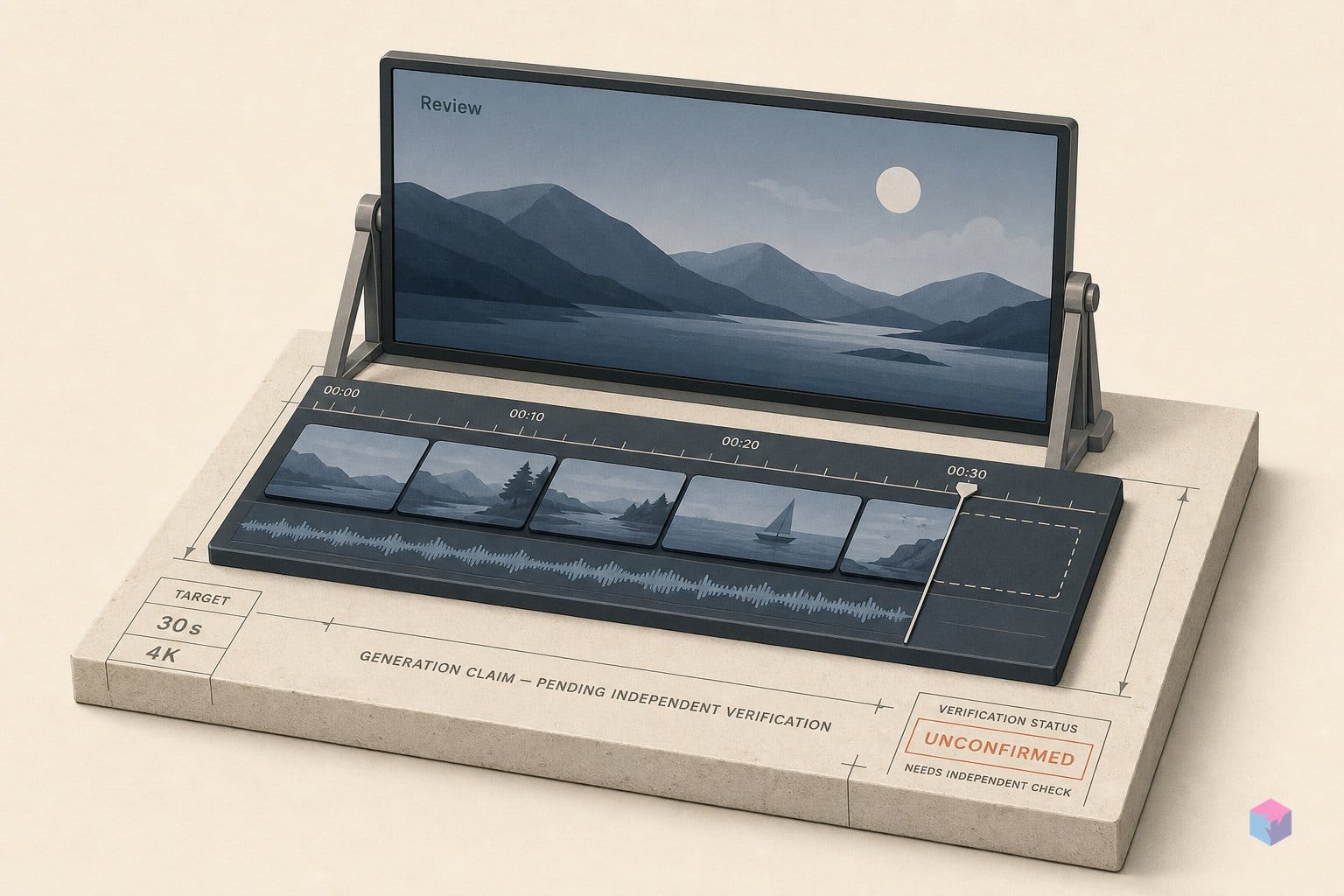
ByteDance says its next video model can produce a continuous 30-second 4K clip from a single prompt. As of late June 2026, no independent source confirms that — and the gap between the announcement and any verifiable artifact is the story.
From 15s to 30s: What ByteDance Says 2.5 Can Do
Seedance 2.5 is ByteDance's announced next-generation AI video model, unveiled on June 23, 2026 at the Volcano Engine FORCE conference in Beijing . The headline claim is native long-form generation: a 30-second single-segment clip from one prompt, double the 15-second ceiling of Seedance 2.0, which removes the manual clip-stitching that continuous storytelling currently requires . ByteDance also claims native 4K output with 10-bit color — generated, it says, not upscaled.
The announced spec sheet goes further than duration and resolution:
- 50 full-modal reference inputs — images, video, audio, 3D models, and style/text anchors in one generation, versus the documented 3 video clips and 9 images on 2.0 .
- Localized semantic editing — change a character's outfit color or scene lighting while preserving camera angle, composition, and actor motion .
- 3D white-box pre-visualization — turn low-fidelity 3D blockouts into a quick animated preview before committing to a full render .
Treat all of it as vendor-announced. There is no arXiv paper, model card, or independent benchmark for 2.5 as of late June 2026, and the 10-bit color and prompt-adherence numbers trace to secondary reporting, not a disclosed test. The version number itself is a tell. The Information reports ByteDance had planned a 2.1 release and rebranded it 2.5 to signal a generational leap and seize initiative against rivals:
"The company had planned a 2.1 release but rebranded it 2.5 to seize competitive initiative against rivals like OpenAI's Sora and Kuaishou's Kling," per reporting from The Information.
That skip from 2.0 straight to 2.5 is the question worth holding onto: is this an engineering jump big enough to justify the number, or marketing positioning ahead of a still-unreleased beta? The sections below show how to get ready to test it the moment it ships — and exactly what to verify against the official docs before trusting the spec sheet.
Before July: Signing Up on Jimeng and ModelArk
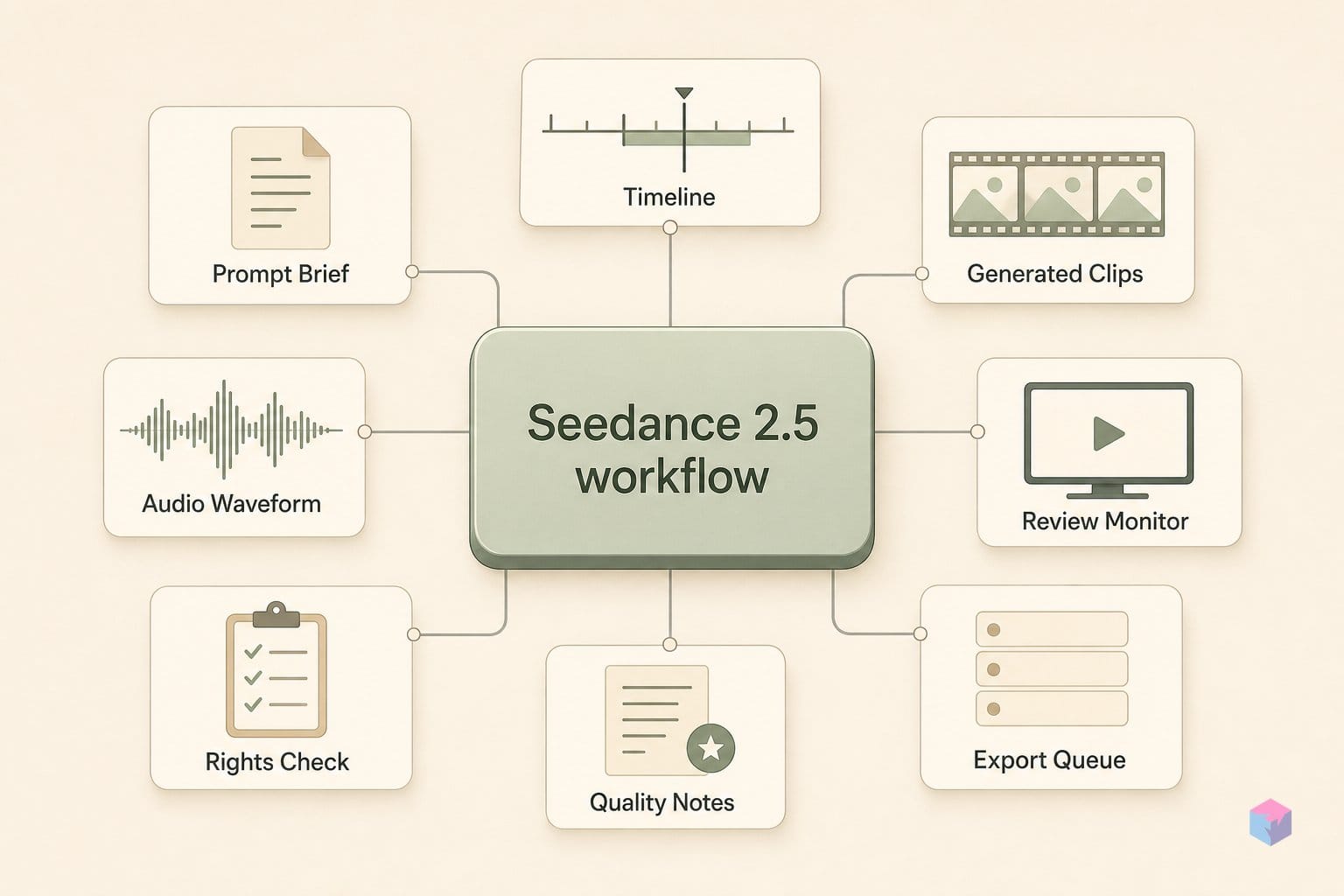
There are two doors into Seedance, and which one you use depends on whether you write prompts or write code. Consumers go through ByteDance's own apps; developers go through its cloud API. Both run on the live 2.0 model today, and both are worth provisioning before the 2.5 beta opens so you are not debugging account setup under launch-day traffic.
The consumer path starts with a Douyin account verified by mobile/SMS. Use that account to authorize a Jimeng (Dreamina) login at jimeng.jianying.com, then go to Generate → Video Generate and pick the Seedance model from the dropdown . The same model is also reachable through CapCut and Doubao. Outside mainland China the friction is real: Jimeng still requires a Douyin account tied to a Chinese phone number, and depending on region a VPN. ZeroLu's community how-to documents the cross-border login and prompting steps .
The developer path is registration on Volcano Engine / BytePlus ModelArk, where text-to-video and image-to-video endpoints are live . As of late June 2026 the only published model identifier is doubao-seedance-2-0-260128 — no 2.5 ID exists yet . The enterprise 2.5 beta is invite-only, so set up both accounts now.
The ModelArk Submission Flow for Seedance 2.0
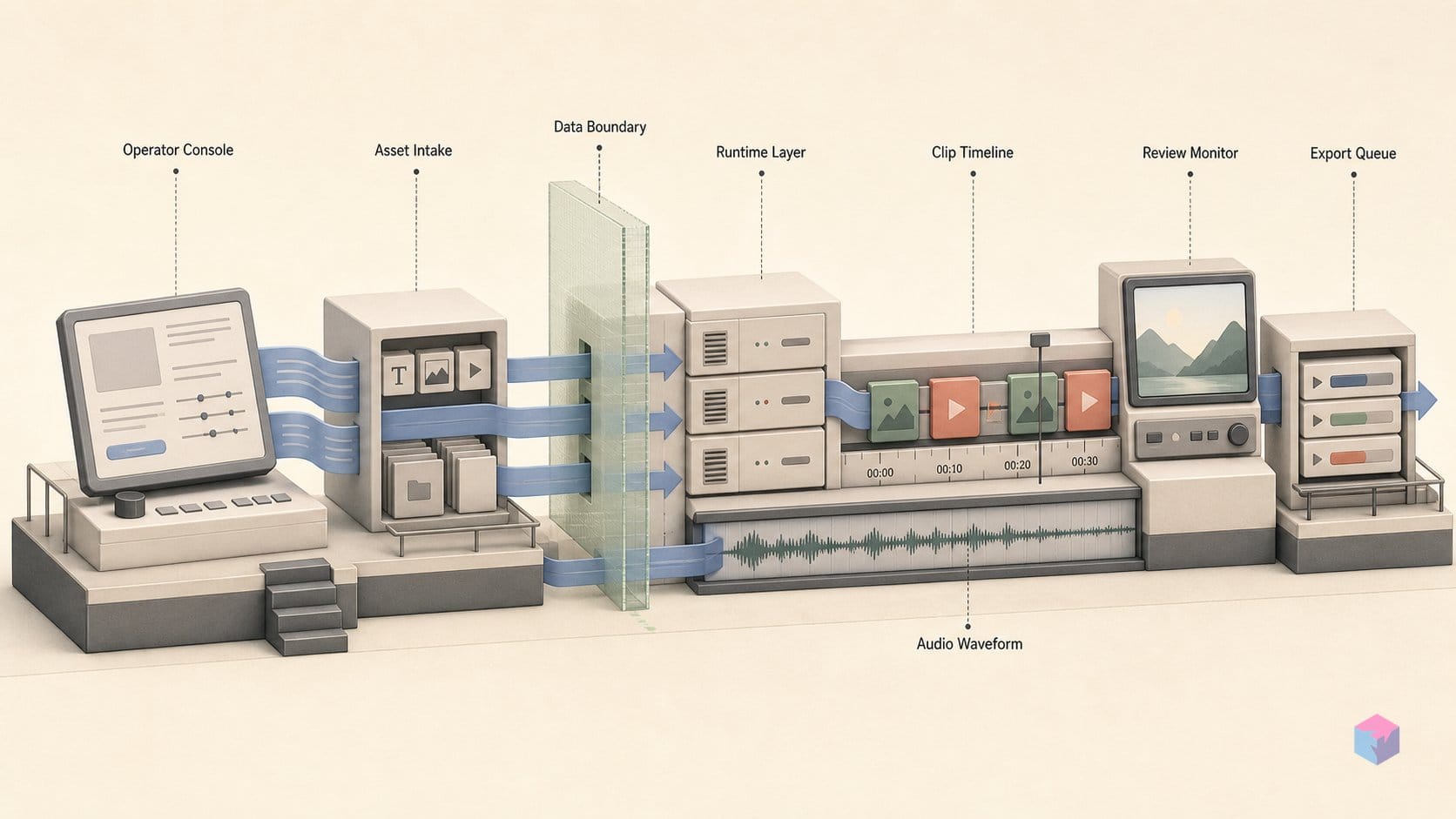
The submission flow is straightforward once your account is live: authenticate to BytePlus ModelArk, pull your API credentials from the console, and target the only published identifier — doubao-seedance-2-0-260128 . ModelArk exposes text-to-video and image-to-video endpoints with parameters for resolution, duration, and aspect ratio, so you build the request, set duration, and poll for the rendered clip .
Pricing depends on which platform you call. BytePlus ModelArk bills per second in USD; Volcano Engine bills per million tokens in yuan. Budget against both before committing a batch:
| Platform | Tier | Rate |
|---|---|---|
| BytePlus ModelArk | Standard 480p | $0.092/s |
| BytePlus ModelArk | Standard 720p | $0.199/s |
| BytePlus ModelArk | Fast 480p | $0.074/s |
| BytePlus ModelArk | Fast 720p | $0.161/s |
| Volcano Engine | Doubao video 2.0, with video input | ¥28 / million tokens |
| Volcano Engine | Doubao video 2.0, no video input | ¥46 / million tokens |
Rates above are 2.0 figures . Construct the prompt as an ordered chain — subject → action → environment → shot size → camera movement → lighting → timing → style → constraints:
"8s cinematic close-up of a ceramic coffee cup on a rainy cafe table, steam rising, slow dolly-in, warm interior light, shallow depth of field, no text overlays."
Escalate only as the shot demands it:
- Text-to-video for a simple shot.
- Image-to-video when identity or a product must persist — put identity in the reference image and let the prompt describe only motion and camera, since over-specifying visual identity fights the reference .
- Add audio when timing, voice, or sync matters.
- Add a video reference when the camera path is hard to describe in text — use short, clean clips.
Respect the duration window: 4–15s on 2.0; submit outside that range and the job is rejected . On 2.5 the window is expected to extend to 30s, but treat that as unconfirmed until official docs update. No 2.5 pricing is published, and native 4K, 10-bit color, 30-second clips, and up to 50 references demand materially more compute than 2.0 Standard — budget for a higher per-second rate and run a fresh cost comparison on day one of general availability .
The Traps: Copyright Overhang, Regional Lock, and 4K Uncertainty
The biggest operational risk with Seedance is legal, not technical. Within days of the 2.0 launch, users generated clips alleged to resemble copyrighted characters and celebrity likenesses, and rights holders moved fast. Disney sent ByteDance a cease-and-desist on February 13, 2026, citing Star Wars, Marvel, and other works . On February 20, 2026 the Motion Picture Association followed with its own cease-and-desist alleging "pervasive and widespread infringement" and demanded written remediation steps by February 27, 2026 . Output filters exist but are not comprehensive, so the liability sits with you, the operator.
Build safe prompt discipline into your pipeline now:
- Use generic roles, original characters, owned product photos, and authorized audio/video references.
- Avoid named actors, living people, copyrighted characters, franchise names, and protected visual styles you do not have rights to.
Regional access is the second trap. Jimeng/Dreamina requires a mainland Chinese phone number for the Douyin login flow, while BytePlus ModelArk is globally accessible — but verify your account tier limits before wiring it into a production pipeline .
The third trap is cost. With no published 2.5 pricing, establish a real comparator today: submit a baseline 2.0 480p job and a 2.0 720p job on ModelArk, which bills text-to-video per second — Standard $0.092/s at 480p and $0.199/s at 720p . That gives you a measured cost-per-second baseline so you can quantify the premium the moment 2.5 native 4K pricing drops.
Once 2.5 Is Available: What to Confirm
The moment Seedance 2.5 reaches general availability, treat the GA release page as the only canonical source for parameters — not the secondary tech reporting that has carried every spec so far. As of June 2026, Volcano Engine and BytePlus ModelArk still expose only doubao-seedance-2-0-260128, with no 2.5 model ID published . Run a short verification checklist on GA day:
- Find the model ID in the ModelArk docs; without it there is no programmatic call to make .
- Submit a 30s text-to-video at 4K and diff it against a 2.0 720p job on visible quality and per-second cost — the only way to independently test the native-4K claim against your measured 2.0 baseline.
- Confirm the 50-reference multimodal input lands on the API, not just the Jimeng consumer UI; a consumer-only gate would block programmatic pipelines entirely .
- Watch for an arXiv technical report. ByteDance published one for 2.0 within weeks of its early-February 2026 release ; until a 2.5 paper exists, every figure stays vendor-announced.
The takeaway is discipline over hype. This snippet, which runs and exits clean, is the posture to keep until the docs catch up:
claims = {
    "subject": "Seedance 2.5",
    "target": "30s 4K",
    "source_type": "vendor / rumor",
    "independent_confirmation": [],
}

print(f"{claims['subject']} targets {claims['target']}.")
if not claims["independent_confirmation"]:
    print("No independent source in this snippet confirms that target.")
Last updated: 2026-06-27. Verify all 2.5 parameters against the official Volcano Engine / BytePlus ModelArk docs once GA endpoints go live.
Frequently asked questions
Is Seedance 2.5 publicly available right now?
No. As of late June 2026, only an enterprise and global beta is live; general availability is targeted for early July 2026 . The working path today is Seedance 2.0 — via the BytePlus ModelArk API for developers, or the Jimeng/Dreamina consumer interface. Official ByteDance product pages still document 2.0, so treat 2.5 as announced, not shipped.
What does BytePlus ModelArk charge for Seedance 2.0?
BytePlus ModelArk bills 2.0 text-to-video per second of output. Standard tier is $0.092/s at 480p and $0.199/s at 720p; the lower-latency Fast variant is $0.074/s at 480p and $0.161/s at 720p . The domestic Volcano Engine platform instead bills in yuan per million tokens. Seedance 2.5 pricing is not yet published; native 4K, 10-bit and 30-second output should be expected to cost more per second.
How do I access Seedance outside China?
Two routes exist. The consumer path, Jimeng/Dreamina at jimeng.jianying.com, requires a Douyin account with a mainland Chinese phone number and may need a VPN depending on region . For developers, the BytePlus ModelArk API is globally accessible without a Douyin login or VPN, which makes it the recommended path for programmatic generation and workflow integration.
What are the copyright risks when prompting Seedance?
They are significant and already litigated. Disney sent ByteDance a cease-and-desist on February 13, 2026 citing Star Wars and Marvel works , and the Motion Picture Association followed on February 20, 2026 alleging widespread infringement . Avoid named actors, living people, copyrighted characters and franchise names. Output filters exist but are not comprehensive guards — the safe workflow uses original characters and owned assets.
What does Seedance 2.5 add over 2.0, and is any of it verified?
Announced changes are a 30-second single-segment clip versus 15s, native 4K 10-bit color versus a 720p maximum, up to 50 reference inputs versus 3 video clips and 9 images, a unified audio-video latent space for native lip-sync, and localized semantic editing . None of it is independently verified: there is no model card, benchmark name, or arXiv paper for 2.5 as of late June 2026 — only the 2.0 technical report is published . Every spec is vendor-announced.