
OpenAI's first quarter of 2026 comes down to two numbers in tension: $5.7 billion of revenue and a balance sheet that consumes most of it. The headline figure, a roughly -122% operating margin or about $1.22 lost per dollar earned, comes entirely from documents that no auditor has signed.
Q1 2026 in context: $5.7B logged, none of it audited
OpenAI's Q1 2026 revenue was about $5.7 billion, according to shareholder documents first reported by The Information . That figure is not from audited statements. OpenAI remains private, and Reuters reporting notes the numbers could not be independently verified . Read everything below as reported-but-unaudited.
The $5.7 billion implies roughly $1.9 billion per month, which lines up with OpenAI's own March 31, 2026 disclosure that it was generating about $2 billion per month . So the top-line number is internally consistent across two independent disclosures, even if neither is audited.
The more telling detail is symmetry. Both revenue and cash burn roughly tripled versus Q1 2025 . Growth here is not cheap operating leverage; it scales costs at nearly the same rate it scales income.
One reconciliation trap worth flagging: The Wall Street Journal reported about $13 billion of recognized revenue for 2025, while OpenAI cites $20 billion-plus in ARR . These are not contradictory (they measure different things), but they are not interchangeable either.
| Metric | What it measures | Reported figure |
|---|---|---|
| Q1 2026 revenue | Quarterly recognized revenue (unaudited) | ~$5.7B |
| Implied monthly run-rate | Q1 revenue ÷ 3 | ~$1.9B/month |
| 2025 recognized revenue (WSJ) | Full-year recognized revenue | ~$13B |
| Annual recurring revenue (OpenAI) | Annualized run-rate | $20B+ |
Why the $21.3B paper loss is not the $3.7B cash burn
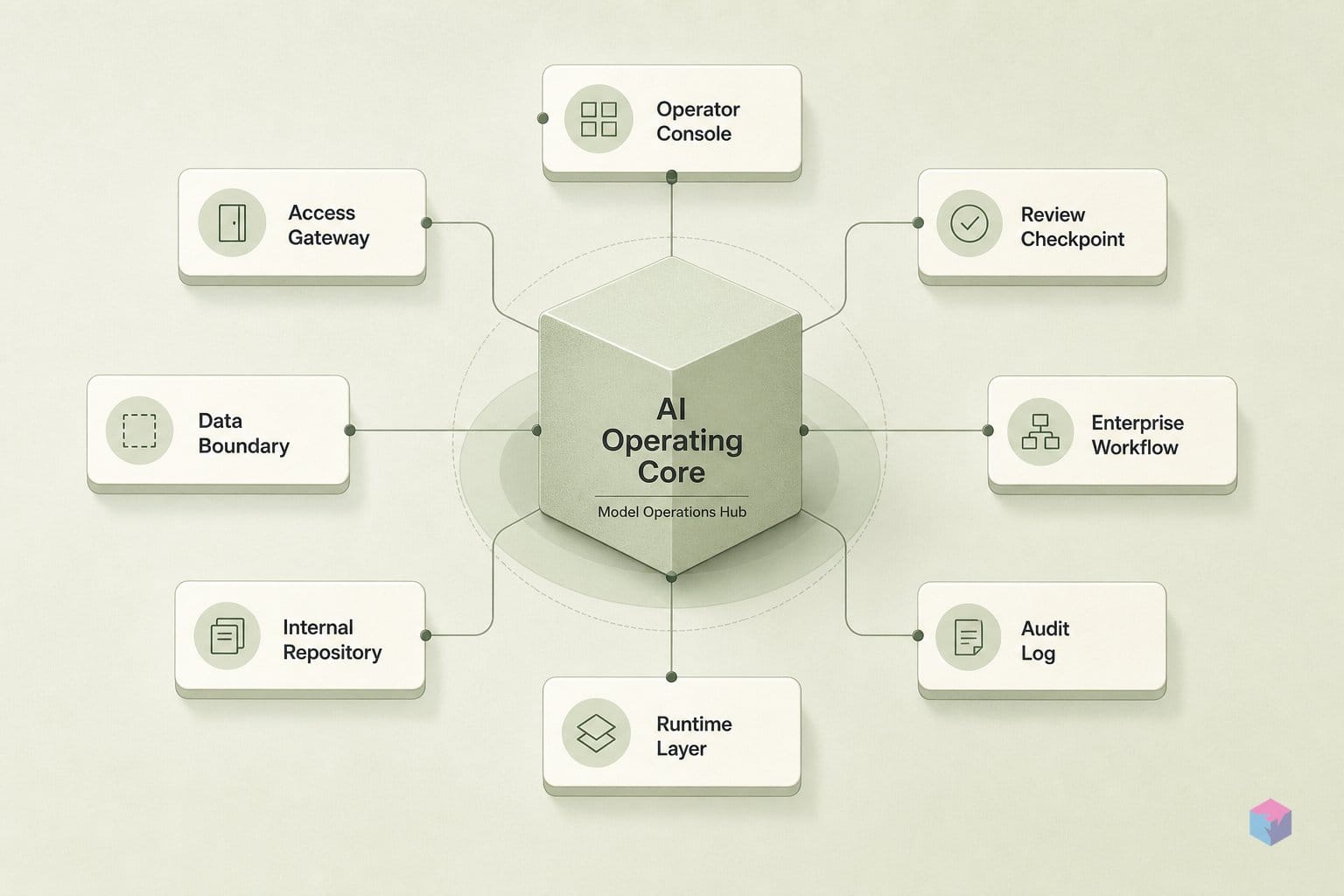
OpenAI's reported Q1 2026 net loss of roughly $21.3 billion is not the amount of cash that left the company. About $12.4 billion of that figure was a non-cash charge tied to revaluing investor warrants and contractual rights, an accounting mark and not money spent on compute, salaries, or anything else. Strip it out and the picture is steep but smaller: an operating loss near $9.3 billion, with actual cash out the door of about $3.7 billion for the quarter, per The Information's read of shareholder documents.
The decomposition matters because each layer answers a different question:
- $21.3B net loss (GAAP headline): what regulatory filings and IPO prospectuses will lead with. Inflated here by a one-time, non-operating revaluation.
- $12.4B non-cash revaluation: the warrant/rights mark. It moves with valuation, not with how the business runs, and it never touched the bank balance.
- ~$9.3B operating loss: the closest proxy for how unprofitable the core business was in the quarter.
- ~$3.7B cash burn (unaudited): the figure that actually depletes the cash hoard and sets the clock on funding contracted compute.
One caveat worth flagging: the $3.7B burn traces to a single originating report (The Information, relayed by Reuters/Investing.com) and is not drawn from audited statements. Treat it as reported-but-unverified, consistent with everything else in this disclosure.
On an adjusted basis the loss is still severe relative to revenue. Working from the same numbers, analyst Ed Zitron pegged OpenAI's non-GAAP operating margin at roughly -122%, writing that "OpenAI is losing about $1.22 for every $1 it earns," on an adjusted basis (source: Ed Zitron, Where's Your Ed At, 2026-05). That ratio captures the quarter in one line: revenue scaling fast, costs scaling faster.
For prospective IPO investors, the takeaway is procedural. The eventual prospectus will surface the GAAP $21.3B figure first, and a naive reading treats it as cash hemorrhage. The useful exercise is to back out the warrant revaluation, isolate the ~$9.3B operating loss, and then track the ~$3.7B cash burn against the cash on hand, because only the last number governs how long OpenAI can fund its compute commitments without raising more.
Gross efficiency gains in Q1: from 33% to 39%
That cost discipline shows up in the one margin line that moved in the right direction. OpenAI's gross margin reportedly expanded from about 33% to roughly 39% year over year, a six-point gain that reflects real progress on direct inference cost per token rather than accounting noise . For a company whose largest variable cost is compute, squeezing more output from the same hardware is the most credible lever it has, and Q1 shows it pulling that lever.
Context matters, though. A 39% gross margin is still far below the 70-80%+ that mature software businesses post. The gap is not inefficiency so much as a different cost structure: OpenAI carries heavy R&D, safety, and infrastructure overhead inside its cost of revenue, plus a per-query compute bill that traditional SaaS simply does not have. Improving margin from here means either cheaper inference, higher-value pricing, or both; the absolute level says the company is nowhere near software-style economics yet.
CFO Sarah Friar's framing is that spending scales returns. In her January 2026 post, she tied capacity growth (from 0.2 GW in 2023 to 0.6 GW in 2024 to about 1.9 GW in 2025) to ARR climbing from $2 billion to $6 billion to more than $20 billion over the same span . The implied argument: each gigawatt added pulls revenue up with it, so the burn is investment, not leakage.
The forward projections undercut that optimism. Guidance reported from the shareholder documents puts full-year 2026 cash burn near $25 billion and 2027 near $57 billion, the latter rising partly under a renegotiated Microsoft arrangement . A six-point margin gain is genuine, but it is being lapped by spend growing faster than the efficiency curve can offset. The question Friar's framing leaves open is whether revenue per gigawatt keeps pace as the next several gigawatts come online.
Weekly actives peaked at 920M in February and haven't recovered
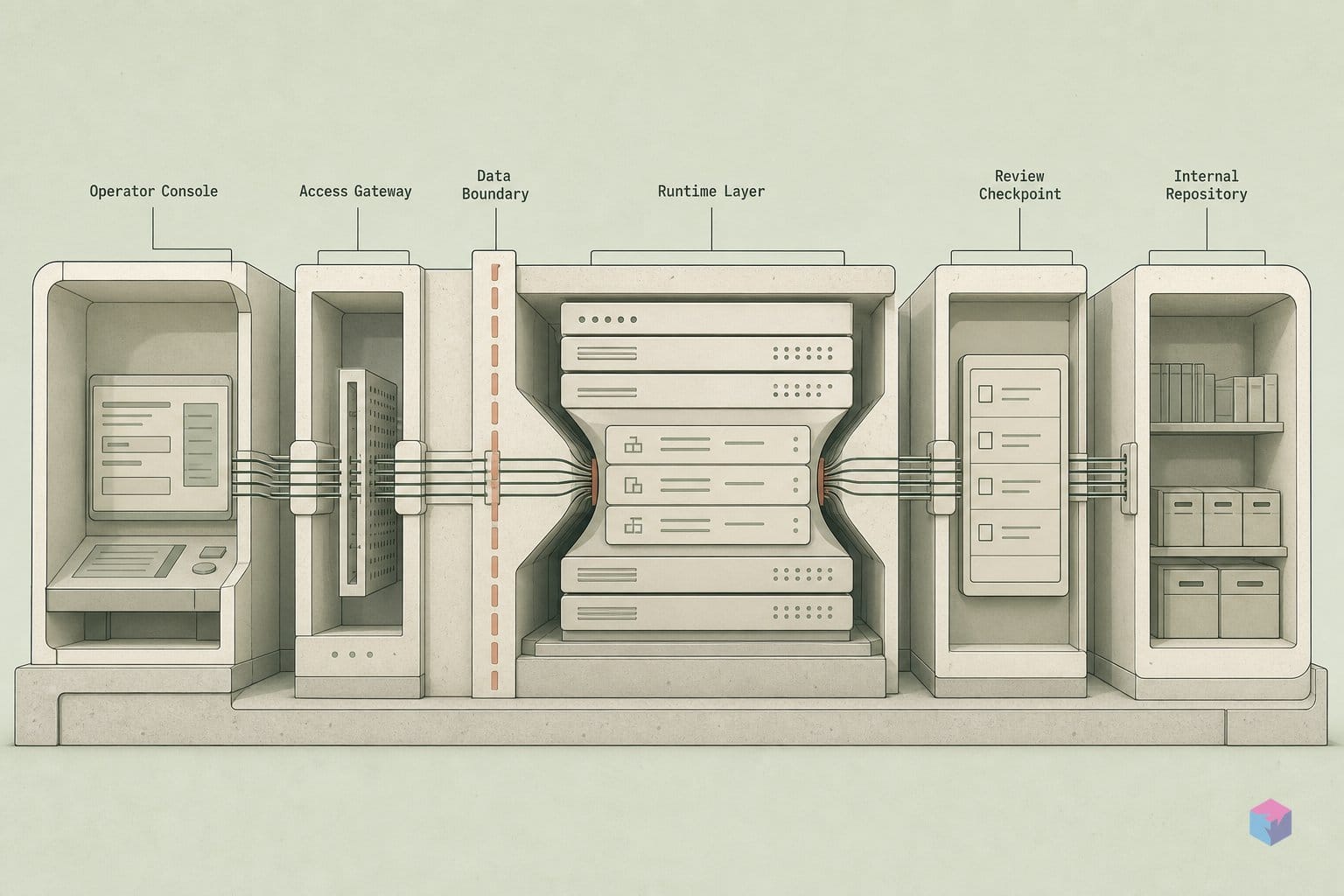
The demand answer matters because OpenAI's largest revenue line is consumer subscriptions, and the top of the funnel has stopped expanding. Weekly active ChatGPT users averaged about 905 million across Q1 2026, after peaking near 920 million in February and then slipping, finishing about 8% short of an internal goal of 1 billion . OpenAI's own March 31, 2026 disclosure framed the same base as "more than 900 million weekly" users and "more than 50 million" paying subscribers , so the disclosed direction is flattening, not collapsing. But flat is the problem when the model assumed a billion.
Conversion is the second pressure point. Quarter-end paying subscribers sat near 55 million against ~905 million weekly actives, an implied free-to-paid conversion around 6% . If free-user growth has stalled, subscription revenue can only grow by lifting that 6% or raising prices, both harder levers than simply adding users at the top.
| Metric (Q1 2026) | Reported value |
|---|---|
| Weekly actives, quarter average | ~905M |
| Weekly actives, February peak | ~920M |
| Internal target | 1B (missed ~8%) |
| Paying subscribers, quarter end | ~55M |
| Implied free→paid conversion | ~6% |
One competitive data point sharpens the concern. Ramp's April 2026 spending data showed Anthropic edging past OpenAI in workplace adoption share among its customers: 34.4% versus 32.3% . That is a single month from one card-issuer's panel, and OpenAI still led on total Q1 revenue. But for developers weighing where the default enterprise platform settles, a flattening consumer curve alongside a credible competitor gaining workplace share is worth tracking, not dismissing.
The Q1 bright spots: the ad pilot and fast-scaling product lines
Underneath the consumer plateau, OpenAI's March 31, 2026 funding disclosure points to several revenue lines compounding faster than the flagship subscription business. The standout is an advertising pilot that reached more than $100 million ARR in under six weeks, alongside enterprise revenue clearing 40% of total revenue and tracking toward parity with consumer subscriptions by end-2026. For a company whose largest line is flattening, these are the offsets that matter.
The ad number deserves a developer's skepticism and a developer's interest. Hitting nine-figure ARR in six weeks is faster accumulation than most SaaS pilots at this scale see, but it is a pilot: early, small relative to the $5.7B quarterly base, and disclosed by an unaudited company. Read it as evidence OpenAI is opening a monetization surface beyond per-seat subscriptions, not as a settled second pillar. If ads inside ChatGPT graduate from pilot to product, they change the incentive structure of the surface many of us build on top of.
The platform-usage signals are more concrete. APIs processed more than 15 billion tokens per minute across the platform at quarter-end, a throughput figure that ties directly to the gross-margin improvement on inference costs, with more volume amortizing the same compute build-out. And Codex, OpenAI's coding assistant, reached more than 2 million weekly users after 5x growth in three months.
That Codex curve is the line developers should watch most closely. Coding assistants are where API spend, enterprise seats, and daily developer habit converge. Five times growth in a quarter is the kind of trajectory that funds the enterprise-parity claim rather than just asserting it. The enterprise mix shifting past 40% is the structural story here: it is higher-margin, stickier, and less exposed to the consumer-conversion math that is stalling near 6%. If parity arrives on schedule, OpenAI's revenue base looks materially more defensible than the headline subscription wobble suggests.
IPO calculus: $73B in hand, more than $600B pre-committed
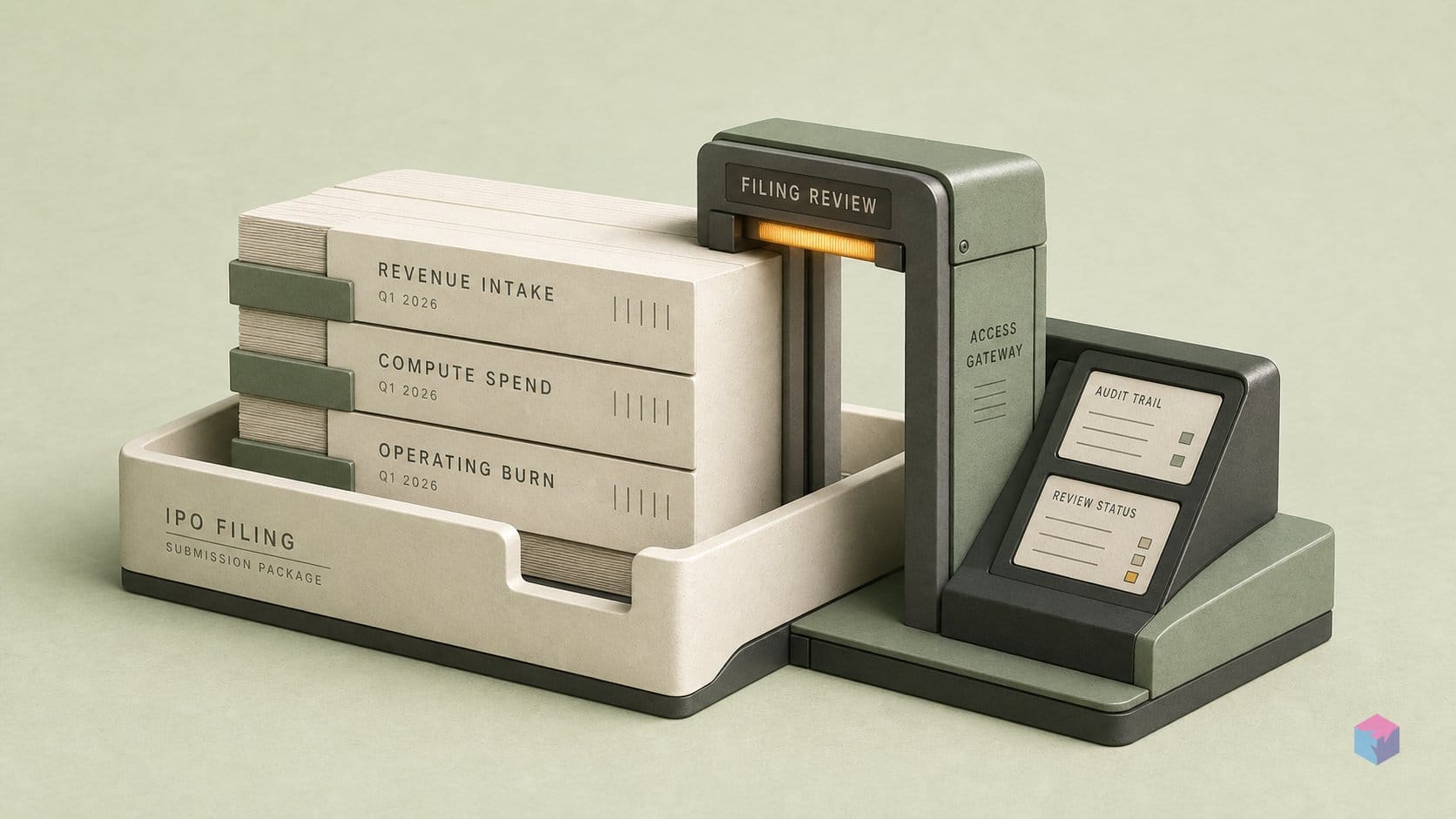
OpenAI ends Q1 2026 with a large cash cushion and an even larger forward obligation, and the gap between them is the company's central solvency question. It closed the quarter with more than $73 billion in cash and marketable securities, up from about $40 billion at the end of December 2025 . Against that, it has committed to more than $600 billion of cloud-provider payments over coming years , an off-balance-sheet figure that dwarfs the quarter's reported $3.7 billion cash burn.
Quick Answer: OpenAI holds more than $73 billion in cash and marketable securities but has pre-committed over $600 billion to cloud providers, has confidentially filed an IPO S-1, and, per investor disclosures, does not expect profitability until late this decade .
The funding side is genuinely deep. In its March 31, 2026 announcement, OpenAI said it had closed $122 billion in committed capital at an $852 billion post-money valuation, and expanded its revolving credit facility to about $4.7 billion . The backer list reads like the entire AI capital stack:
| Metric | Figure | Source date |
|---|---|---|
| Committed capital | $122B | 2026-03 |
| Post-money valuation | $852B | 2026-03 |
| Cash & marketable securities (quarter-end) | >$73B (from ~$40B end-2025) | 2026-04 |
| Revolving credit facility | ~$4.7B | 2026-03 |
| Pre-committed cloud payments | >$600B | 2026-04 |
| Named backers | Amazon, NVIDIA, SoftBank, Microsoft, a16z, D. E. Shaw, MGX, TPG, T. Rowe Price-advised accounts | 2026-03 |
On top of that capital, OpenAI has confidentially filed an IPO S-1. Reuters reporting points to September 2026 as a possible listing window at a valuation of up to $1 trillion, with Sam Altman telling staff a listing "could happen within the next year" . A public listing would convert the private cash hoard into a far larger, repeatable funding channel, which is the point given the contracted compute ahead.
The tension is timing. The $600 billion-plus in cloud commitments is structurally larger than anything visible in a single quarter's burn, and the company has told investors it does not expect profitability until "late this decade" . CFO Sarah Friar has warned internally about the company's ability to pay future compute contracts if revenue lags, and OpenAI has already missed internal user and revenue targets, according to reporting on the WSJ account . The IPO, in other words, is not optional financing; it is the mechanism that has to keep the contracted compute funded until monetization catches up.
For anyone shipping on OpenAI's infrastructure: the financial picture
If you build on OpenAI's APIs, the practical headline is what was not in this disclosure: no API changes, no pricing changes, no product or model changes accompanied the financials. This is a capital-structure story, not an integration story. Nothing in the Q1 2026 numbers requires you to migrate code, re-tier usage, or re-architect against a deprecation. The risk it surfaces is slower-moving and budgetary, not breaking.
The structural pressure is the gap between contracted spend and recognized revenue. OpenAI has committed to more than $600 billion of cloud-provider payments over the coming years , an obligation far larger than any single quarter's burn. Those payments only pencil out if revenue keeps accelerating, which is why CFO Sarah Friar reportedly warned internally that OpenAI's ability to meet future compute contracts is at risk if revenue lags, against a backdrop of missed internal user and revenue targets .
The planned IPO adds a new constituency. Public-market investors operate on shorter horizons and tolerate sustained losses less patiently than the private backers (Amazon, NVIDIA, SoftBank, Microsoft and others) who funded the company through its compute build-out. A listing that could come as early as September at a valuation up to $1 trillion shifts incentives toward demonstrable margin progress rather than open-ended growth.
For developers, that resolves into a clear sequencing. Near-term API risk is low: OpenAI ended Q1 with more than $73 billion in cash and marketable securities , a buffer that funds operations regardless of quarterly losses. The longer-term pressure to close a profitability gap, with no profitability expected until late this decade, will most plausibly show up first as pricing normalization (fewer discounts, usage-tier adjustments) well before it touches service availability or model access.
The concrete takeaway: keep building, but stop treating today's per-token economics as permanent. Instrument your spend, design for provider portability where it is cheap to do so, and model a scenario where OpenAI prices for margin rather than market share. The cash buffer makes that a planning exercise, not an emergency.
Frequently asked questions
Is OpenAI's $21.3B Q1 loss as bad as it sounds?
No, the headline figure is distorted by accounting. About $12.4 billion of the roughly $21.3 billion Q1 2026 net loss was a non-cash charge tied to revaluing investor rights and warrants, not money leaving the building . Strip that out and the operating loss is near $9.3 billion, with actual cash burn reported at about $3.7 billion for the quarter . GAAP net loss includes non-cash items like warrant revaluation; cash burn measures real outflow. The distinction matters for reading IPO filings, because an S-1's net-loss line can look catastrophic while the company is consuming far less cash than the number implies, and warrant charges typically shrink or vanish after a listing.
What does -122% non-GAAP operating margin actually mean?
It means OpenAI loses roughly $1.22 for every $1 of revenue on an adjusted basis. The figure, calculated by Ed Zitron from the same Q1 2026 numbers, strips out the large non-cash warrant charge to show the underlying operating economics: a non-GAAP operating margin near -122% . Non-GAAP adjustments remove one-off or non-cash items (here, the ~$12.4B revaluation) to isolate recurring performance. This is the metric IPO investors will scrutinize most closely, because it answers whether the core business, not accounting artifacts, can ever reach breakeven. Against it, OpenAI's own guidance that profitability is not expected until late this decade carries real weight.
When is OpenAI expected to go public?
Nothing is confirmed, but OpenAI has confidentially filed for a U.S. IPO, and Reuters reporting points to a window as early as September 2026 at a valuation of up to $1 trillion, with Sam Altman telling staff a listing "could happen within the next year" . A confidential S-1 filing lets a company prepare without public disclosure until close to launch, so timing can still slip. One caveat for anyone benchmarking against the company's last private round: the $852 billion post-money valuation set in its March 2026 financing is private-market pricing, which can diverge significantly from where public investors actually value the shares.
Is ChatGPT user growth really stalling?
It is flattening, not collapsing. Weekly active users averaged about 905 million across Q1 2026, down from a February peak near 920 million and short of an internal goal of 1 billion . OpenAI's own March 31, 2026 disclosure put the base at more than 900 million weekly users and more than 50 million paying subscribers . This plateau matters more than the raw numbers suggest, because consumer subscriptions are OpenAI's largest revenue line, so a stalling top of funnel pressures the exact segment that funds the most spending. Enterprise revenue, already above 40% of the total, is the offsetting bet.
Should developers building on OpenAI's APIs worry about service continuity?
Near-term risk is low. OpenAI ended Q1 2026 with more than $73 billion in cash and marketable securities, up from about $40 billion at the end of December 2025, plus $122 billion in committed capital from backers including Amazon, NVIDIA, SoftBank and Microsoft . That is substantial runway against a ~$3.7 billion quarterly burn. The longer-term concern is economic, not operational: with more than $600 billion in cloud-provider commitments and no profitability expected until late this decade , the more probable adjustment is pricing normalization (per-token rates rising toward margin) rather than service disruption. Plan for the bill to change, not for the lights to go out.